

Intro
If you’re living with diabetes, daily blood glucose monitoring becomes an essential part of your routine. This task primarily requires the use of test strips for diabetes.
These strips are small, disposable items that hold a drop of your blood so that your glucose meter can read it. But with a myriad of brands and types available, how do you choose the best ones?
Let’s dive in and discuss how to select the best diabetes test strips.
Understand the Basics of Test Strips for Diabetes
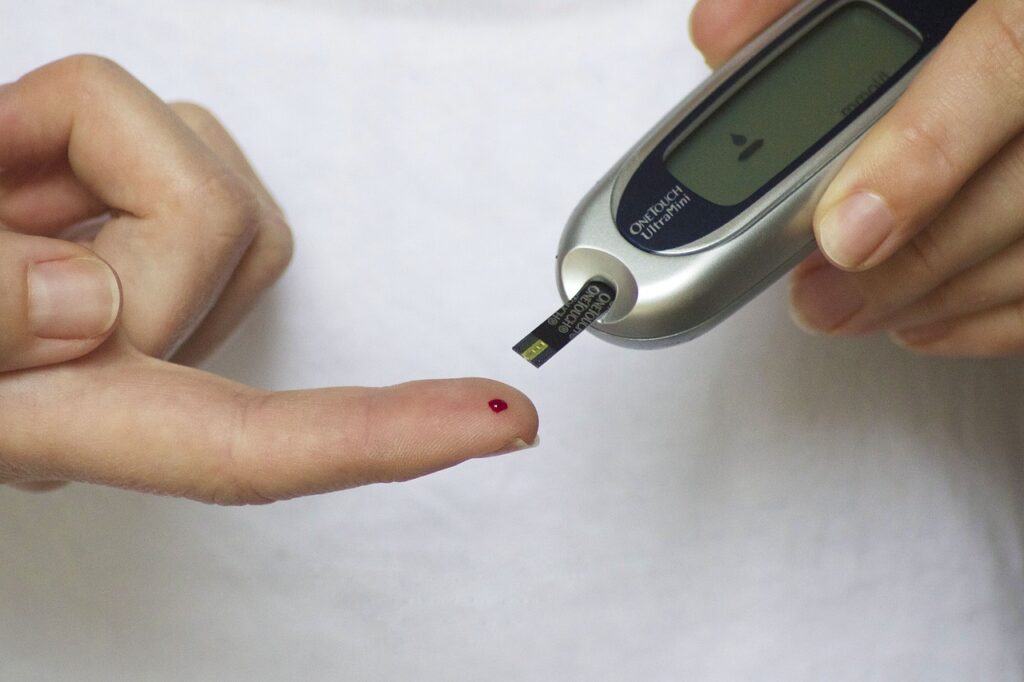
Diabetes test strips are crucial for monitoring your blood glucose levels.
They are specifically designed to interact with your glucose meter in a chemical reaction that measures the sugar in your bloodstream. On each strip, a group of chemicals is present. When these chemicals come into contact with a drop of your blood, they stimulate an electrical current.
This current is then interpreted by your glucose meter to give a reading of your blood sugar level.
However, the importance of using high-quality test strips should not be overlooked.
The precision of your blood sugar readings can greatly depend on the quality of the test strips used. Low-quality or faulty strips could potentially give inaccurate readings, which could affect your diabetes management plan.
Therefore, choosing the best quality test strips is crucial for maintaining accurate and reliable blood sugar monitoring.
Remember, test strips are not interchangeable. They are made to be used with specific glucose meter models. Using incompatible test strips might yield erroneous results.
To find out which test strips are compatible with your glucose meter, refer to the information provided on the test strip package or consult your glucose meter’s manual.
It is essential to understand these basic principles of diabetes test strips to ensure the accuracy and effectiveness of your diabetes management.
Compatibility with Your Glucose Meter
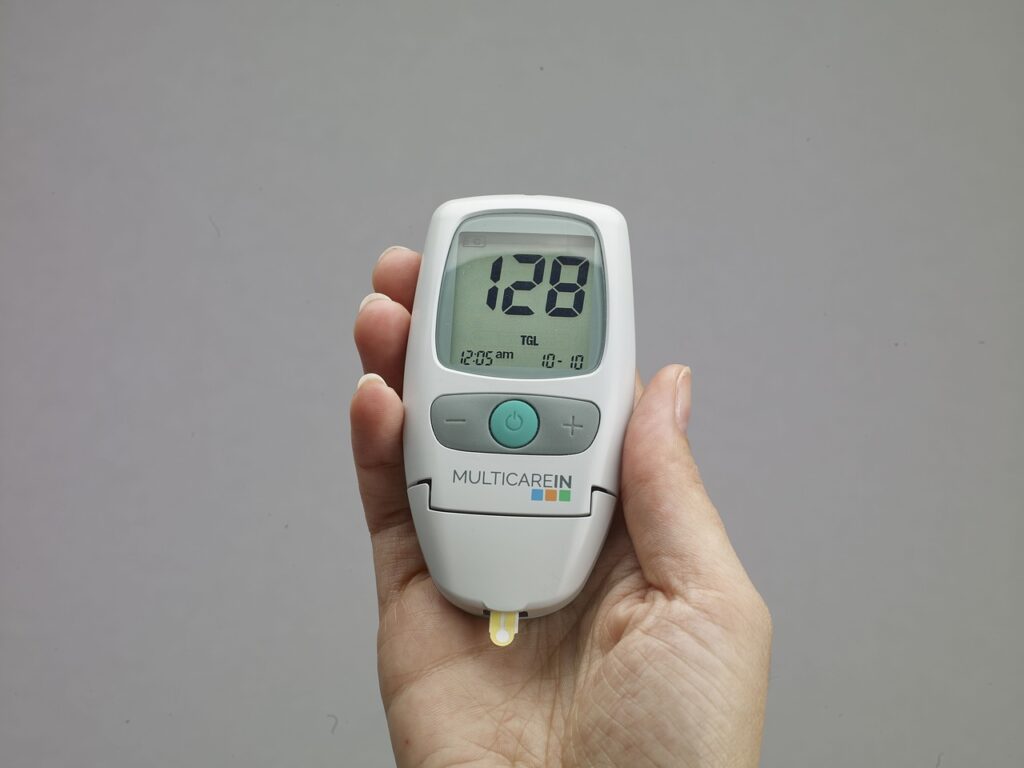
Choosing the right test strips is more than just a question of quality; it’s also about compatibility.
Ensuring the test strips are compatible with your glucose meter is a critical aspect of maintaining accurate blood glucose readings. These strips are specially designed to work cohesively with certain glucose meter models.
Utilizing the wrong strips with your device can lead to inaccurate results, which could ultimately affect your diabetes management strategy. Information about the compatibility of test strips is usually provided on the packaging.
In case it’s not clearly mentioned or you have any doubts, your glucose meter’s user manual can serve as a reliable resource to confirm the compatibility of specific test strips.
Keep in mind that the compatibility factor goes beyond accuracy – it’s also about how smoothly your test strip and glucose meter work together to provide the simplest and most effective testing process. Incompatible test strips might not fit correctly or could even cause your meter to malfunction. So, before purchasing diabetes test strips, make sure to verify that they are designed for use with your specific glucose meter model.
Cost and Insurance Coverage

The financial aspect of managing diabetes cannot be ignored. The daily requirement of test strips can rapidly escalate the costs.
It’s important to first check whether your insurance policy covers diabetes supplies, which can help offset a considerable part of the expense. If the policy does not offer complete coverage, it might cover a substantial portion of the cost.
The pricing structure can also vary between different brands and types of test strips. Always take note of the price per strip when assessing the cost-effectiveness of different options.
Often, companies offer discounted rates for larger quantities of strips, which can be more cost-effective in the long run. Buying in bulk not only ensures you always have enough strips on hand but also helps in saving money.
Nevertheless, while focusing on costs, don’t overlook the quality and compatibility of the test strips with your glucose meter.
After all, the accuracy of the readings is crucial for effective diabetes management. Therefore, it’s about striking a balance between cost, quality, and compatibility. Always remember that the lowest price doesn’t always guarantee the best value, and investing in high-quality, compatible diabetes test strips is a key step in managing your condition effectively.
User-Friendliness and Comfort
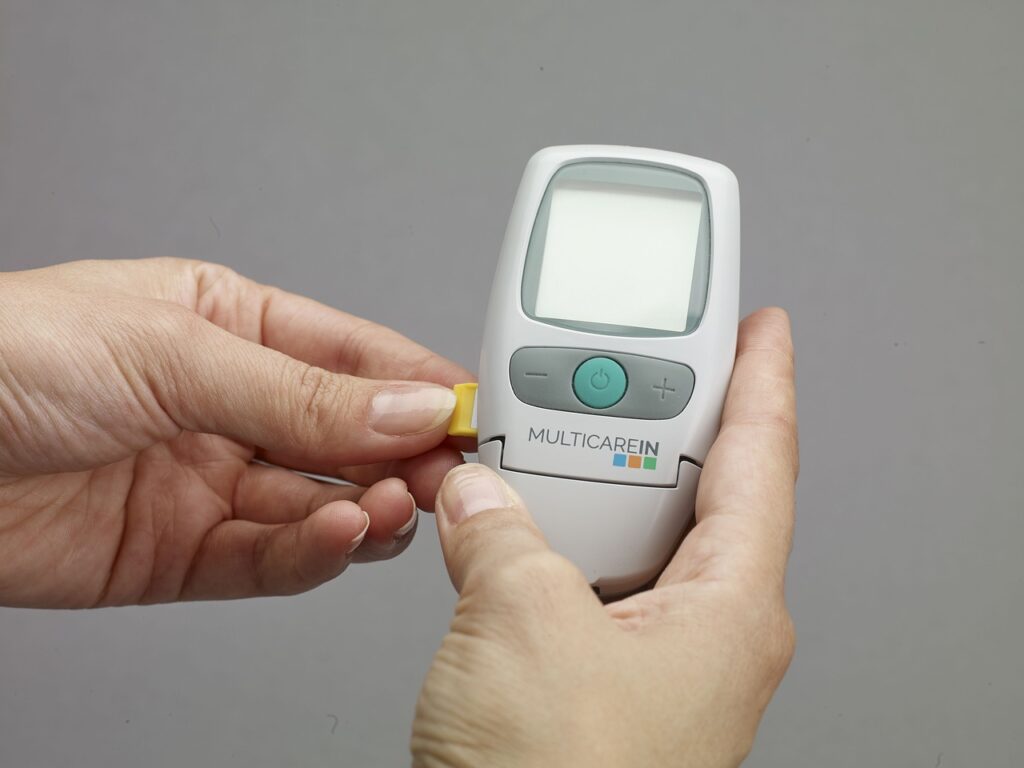
Effective management of diabetes shouldn’t equate to discomfort or complexity.
Therefore, selecting user-friendly and comfortable test strips is paramount. Consider strips that are designed for easy handling, which can significantly simplify your blood glucose testing routine.
Some test strips feature larger grip areas or size, making them more manageable, particularly for individuals with dexterity issues or visual impairments.
The amount of blood needed by the strip for a precise reading is another essential factor. Strips that require smaller blood samples can make the pricking process less painful and more comfortable. A few strips also incorporate an innovative ‘sip-in’ design. This unique feature allows the strip to automatically draw in the blood sample into the test area, minimizing the likelihood of errors while maximizing comfort.
Additionally, consider the time the strip takes to deliver a reading. Faster test times can make the process less stressful and more efficient, especially when you need to test multiple times a day.
The goal is to integrate blood glucose monitoring into your daily routine seamlessly, so the process should be as straightforward and comfortable as possible. In summary, user-friendliness and comfort are significant factors when selecting the ideal test strips for diabetes.
Check for Expiry Dates and Storage Requirements
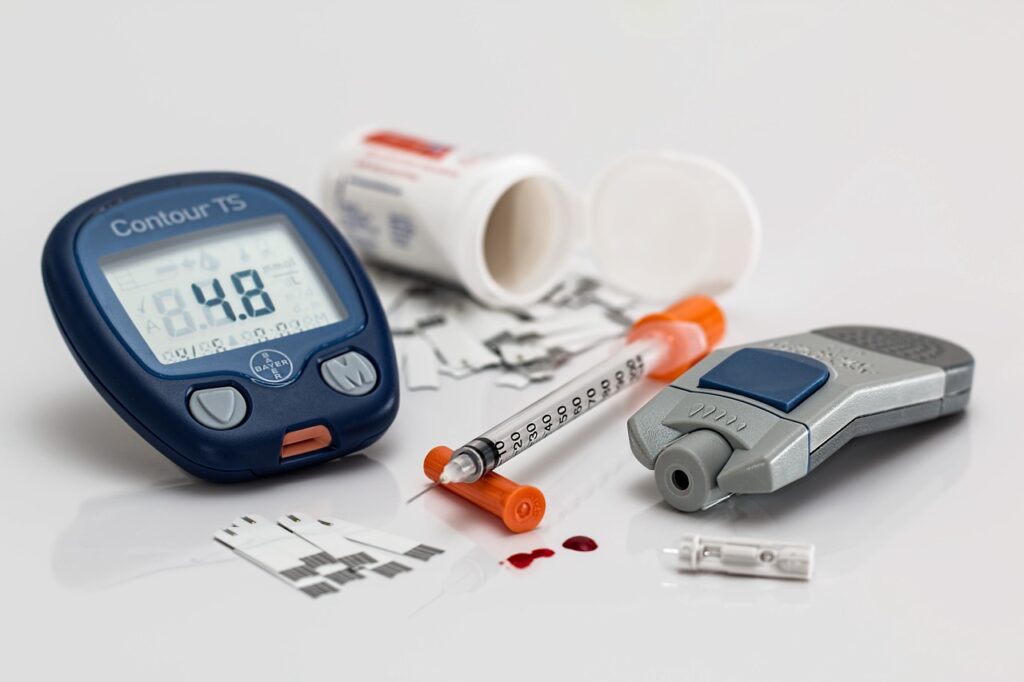
Before making your purchase, it is paramount to verify the expiration date on the diabetes test strips.
Using strips past their expiry date may lead to incorrect results, and consequently, can negatively impact your diabetes management plan. In addition, it’s essential to understand the proper storage requirements for the strips.
Majority of the test strips require to be stored in an environment that is cool and dry, devoid of direct exposure to sunlight or extreme temperatures.
Such conditions are essential in preserving the chemical integrity of the strips, hence ensuring their effectiveness. It’s also a good idea to check if the strips come in individual foil packets, which can help maintain their freshness and accuracy over time.
Always make sure to follow the manufacturer’s instructions regarding the storage to avoid any possibility of inaccurate glucose readings. Also, remember to properly seal the test strip container after use, as exposure to air and humidity can affect the strips’ performance.
Understanding and following these storage requirements and expiry dates can greatly contribute to maintaining the accuracy of your glucose blood tests.
Consider the Strip’s Re-Testing Ability
One significant feature to bear in mind when selecting diabetes test strips is their re-testing ability. Some strips offer the advantage of reapplication of blood if the initial blood sample is not enough for an accurate reading. This is especially beneficial as it eliminates the need for additional finger pricking and helps you avoid wasting strips. Strips equipped with this feature typically allow a specified time frame during which you can add more blood if necessary. This time frame varies across different brands, but it generally provides sufficient time for a second application. Therefore, choosing test strips with a re-testing ability can be a valuable addition to your diabetes management strategy, enhancing the efficiency of your glucose blood tests and promoting greater comfort. This not only makes the testing process less cumbersome but also more cost-effective by reducing the potential waste of test strips. Thus, the re-testing ability of test strips is a factor worth considering in your selection process.
Reputation of the Manufacturer
In your quest for the best diabetes test strips, don’t overlook the significance of the manufacturer’s reputation.
Renowned manufacturers with a strong foothold in the diabetes care industry are typically more reliable and provide products of high quality.
These companies are likely to have stringent quality control measures in place, ensuring the test strips you receive are dependable and precise. A reliable manufacturer’s commitment to quality often translates into better accuracy and consistency in blood glucose readings.
Look for manufacturers that are upfront about their production methods and quality control protocols. A reputable manufacturer will always prioritize transparency, helping you make a more informed choice.
Additionally, consider the reviews from other consumers who are using the same diabetes supplies. Customer reviews can provide you with valuable insights into the effectiveness and reliability of the test strips from a user’s perspective.
Positive reviews are a good indicator of the manufacturer’s reliability and the quality of their products. In conclusion, considering the reputation of the manufacturer is a vital step in ensuring you choose high-quality, accurate test strips for your diabetes management.